AI coworkers for modern insurance operations
Reduce claims processing time, improve customer satisfaction, and operate with confidence using AI coworkers that execute insurance workflows end to end while respecting policies, approvals, and regulatory constraints.

The Challenge
Insurance teams manage high volumes of claims, service requests, and documents under strict regulatory requirements. Information is spread across core systems, document repositories, and communication tools, forcing adjusters and operations teams to rely on manual checks and coordination. This slows resolution, increases operational cost, and creates compliance risk.
See it in action
Real Insurance scenarios, resolved by different specialists on the same team.

Lyra
Customer Support Expert
A policyholder is asking for the status of claim #CL-88213 filed two weeks ago.
Claim #CL-88213 is in adjuster review, documents complete, estimated decision by Friday. Sent the status update with the adjuster’s direct contact for follow-up questions.
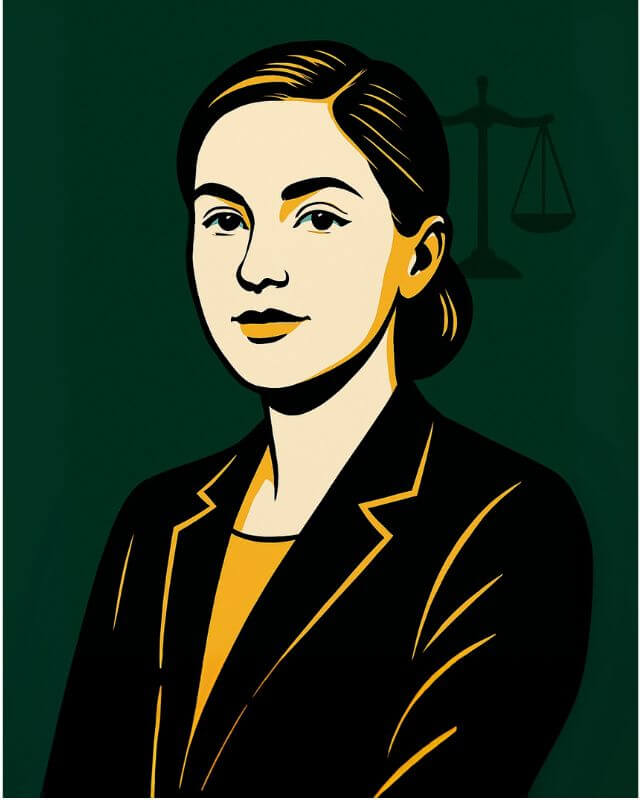
Justa
Legal Advisor
Does the water damage claim on policy #PL-4471 fall under an exclusion?
Policy #PL-4471’s exclusion clause covers gradual leaks but not sudden pipe failure — this claim describes a burst pipe, so it’s not excluded. Flagged for adjuster review with the relevant clause highlighted.

Cairo
Data Analyst
Which claim type had the biggest increase in processing time this quarter?
Water damage claims are taking 34% longer on average, mostly stuck at the documentation-review step. Worth a process check before next quarter.
How Klart AI Helps
Speed up claims resolution
Automatically collect claim details, check completeness, retrieve policy information, and route claims to the right adjuster so customers get answers faster without repeated follow-ups.
Reduce manual policy and coverage checks
Verify coverage conditions, exclusions, and eligibility automatically before actions are taken, reducing rework, errors, and unnecessary escalations.
Handle customer requests without overload
Answer policy questions, claim status requests, and account changes using full customer and policy context across systems, while escalating only complex or sensitive cases.
AI in Action
Claims intake and triage
Klart AI classifies incoming claims, validates completeness, gathers supporting documents, and routes cases to the right workflow or reviewer.
Policy and coverage checks
AI coworkers verify coverage rules, exclusions, and eligibility before actions are taken or escalated, reducing manual review effort.
Customer service requests
Handle high volumes of policy inquiries, status requests, and changes by retrieving accurate customer and policy context.
Document-heavy workflows
Extract, summarize, and structure information from policies, claims, and correspondence to accelerate processing and reviews.
Works with your existing tools


+ ServiceNow, document management systems, internal core insurance platforms
Where teams put it to work
The functions Insurance companies automate first.



Frequently asked questions
Ready to transform your Insurance business?
Deploy AI coworkers tailored for your industry — connected to your tools, governed, and ready to execute real work.